
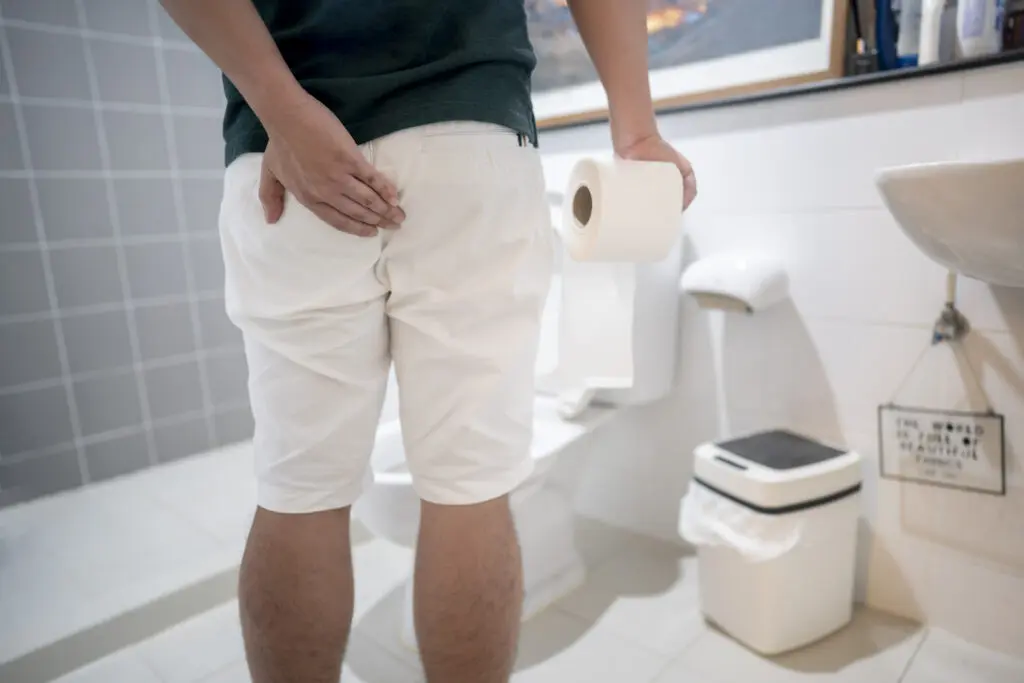
Summary
Fecal incontinence, or accidental bowel leakage, is a common but often underreported condition that involves difficulty controlling bowel movements. It can be caused by muscle weakness, nerve damage, pelvic floor dysfunction, constipation, or diarrhea.
Evaluation by a gastroenterologist helps identify the underlying cause through symptom review and specialized testing. Treatment varies by case and may include dietary changes, pelvic floor therapy, or advanced options. Early diagnosis can improve symptom control and quality of life.
Table of Contents
- What Is Fecal Incontinence?
- How Common Is Fecal Incontinence?
- Common Causes of Fecal Incontinence
- When Should Patients Seek Evaluation?
- How Gastroenterologists Evaluate Fecal Incontinence
- Treatment and Management Options
- Digestive and Pelvic Floor Care at Suburban Gastroenterology
- Frequently Asked Questions
Digestive health conditions can affect many aspects of daily life, yet some symptoms remain difficult for patients to talk about. Fecal incontinence—sometimes referred to as accidental bowel leakage—is one of these conditions. Although it is more common than many people realize, it is often underreported due to embarrassment or uncertainty about whether treatment options exist.
The good news is that fecal incontinence can often be evaluated and managed with the help of a gastroenterology specialist. Understanding its causes and available evaluation options can help patients feel more comfortable seeking care.
What Is Fecal Incontinence?
Fecal incontinence refers to the inability to fully control bowel movements, which may result in the unexpected leakage of stool or difficulty delaying a bowel movement. The severity can vary from occasional leakage during episodes of diarrhea to more frequent difficulty maintaining bowel control.
While this condition can be distressing, it is important to know that fecal incontinence is a recognized medical condition and one that physicians evaluate and treat regularly.
How Common Is Fecal Incontinence?
Many patients are surprised to learn that fecal incontinence affects a significant number of adults. It is estimated that millions of people experience some form of bowel control difficulty, though many do not discuss the issue with their physician.
Because of this, the condition may be more widespread than commonly reported. Open conversations with healthcare providers can help patients identify possible causes and explore appropriate treatment strategies.
Common Causes of Fecal Incontinence
Fecal incontinence can occur for several different reasons, often related to changes in the muscles, nerves, or coordination involved in bowel control.
Some common contributing factors include:
- Weakness in the anal sphincter muscles
- Damage to pelvic floor muscles
- Nerve injury affecting bowel control
- Chronic constipation or stool impaction
- Persistent diarrhea
- Pelvic floor dysfunction
In some cases, more than one factor may contribute to symptoms.

When Should Patients Seek Evaluation?
Occasional digestive changes can occur for many reasons, but recurring bowel leakage or difficulty controlling bowel movements should be evaluated by a gastroenterologist.
A medical evaluation may help determine:
- The underlying cause of symptoms
- Whether pelvic floor dysfunction may be involved
- What treatment or management options may be appropriate
Early evaluation can often lead to more effective symptom management and improved quality of life.
How Gastroenterologists Evaluate Fecal Incontinence
Gastroenterologists use several approaches to better understand the cause of fecal incontinence. Evaluation typically begins with a discussion of symptoms, medical history, and bowel patterns.
Depending on the situation, physicians may recommend specialized testing to assess how the muscles and nerves of the pelvic floor are functioning. These tests help identify whether issues with coordination, muscle strength, or nerve signaling may be contributing to symptoms.
In some cases, diagnostic tools such as anorectal manometry or peripheral nerve evaluation (PNE) may be used to better understand pelvic floor function and guide treatment decisions.
Treatment and Management Options
Treatment for fecal incontinence varies depending on the underlying cause and severity of symptoms. Management strategies may include lifestyle adjustments, dietary guidance, pelvic floor therapy, or sacral nerve modulation, the choice of which is made through a shared decision-making process between the patient and physician.
For many patients, identifying the cause of symptoms is the first step toward improving bowel control and overall digestive health.
Digestive and Pelvic Floor Care at Suburban Gastroenterology
At Suburban Gastroenterology, our physicians evaluate a wide range of digestive and pelvic floor conditions, including fecal incontinence and other bowel control concerns. Our goal is to provide compassionate, patient-centered care while helping individuals better understand the causes of their symptoms.
We serve patients across the western suburbs of Chicago, including Naperville, Plainfield, and Sandwich, Illinois, offering comprehensive evaluation and personalized treatment planning for digestive health conditions.
If you are experiencing ongoing bowel control concerns, discussing symptoms with a gastroenterology specialist can help identify possible causes and available treatment options.
Frequently Asked Questions
What causes fecal incontinence?
Fecal incontinence can occur due to weakened pelvic floor muscles, nerve damage, chronic constipation, or digestive conditions that affect bowel control.
Is fecal incontinence treatable?
Yes. Many cases can be managed through medical evaluation, pelvic floor therapy, dietary changes, or other treatments depending on the underlying cause.
Should I talk to a doctor about accidental bowel leakage?
Yes. Even occasional symptoms should be discussed with a healthcare professional, as evaluation can help identify the cause and available treatment options.