
Summary
IBS symptoms are closely linked to the gut–brain connection, a communication system between the digestive system and the nervous system. While stress does not directly cause IBS, it can significantly trigger or worsen symptoms such as abdominal pain, bloating, and changes in bowel habits. This happens because stress affects gut sensitivity and intestinal movement. Understanding this relationship helps explain symptom flare-ups and highlights the importance of managing both digestive health and stress. Persistent symptoms should still be evaluated by a gastroenterologist to rule out other conditions and develop an appropriate care plan.
Digestive health is closely connected to many systems throughout the body, including the nervous system. For people living with irritable bowel syndrome (IBS), this relationship is particularly important. Many patients notice that digestive symptoms can worsen during periods of stress, anxiety, or major life changes.
This connection between the brain and the digestive system is often referred to as the gut-brain axis. Understanding how this relationship works can help explain why IBS symptoms fluctuate and why managing digestive health often involves looking beyond the gastrointestinal tract alone.
What Is the Gut-Brain Connection?
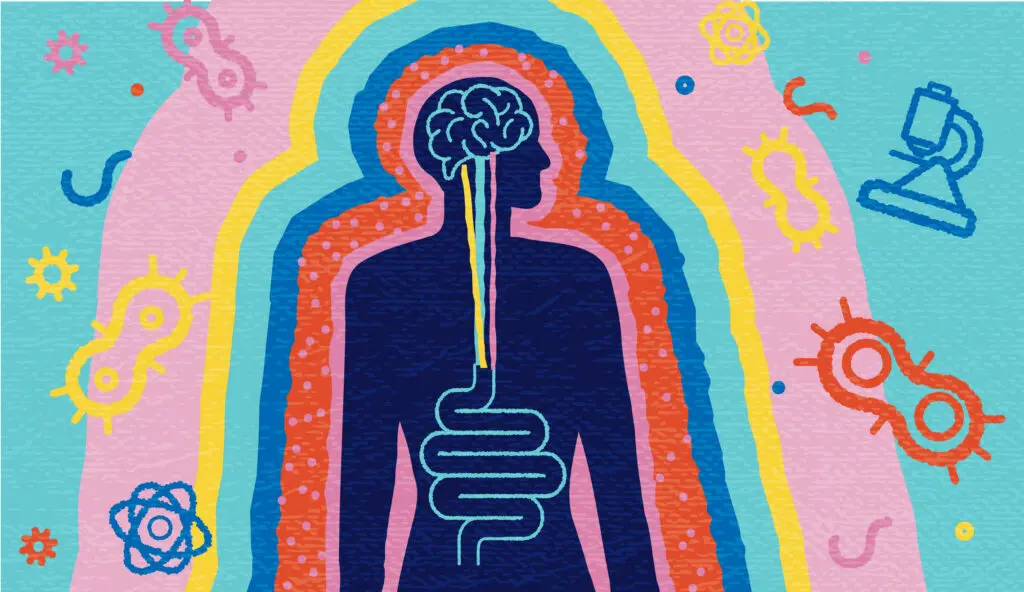
The digestive system and the brain communicate constantly through a network of nerves, hormones, and biochemical signals. This communication system allows the body to regulate digestion, control intestinal movement, and respond to changes in the environment.
The gut contains millions of nerve cells that interact with the central nervous system. Because of this connection, emotional or psychological stress can influence how the digestive system functions.
When the communication between the gut and brain becomes more sensitive or dysregulated, it can contribute to digestive conditions such as IBS.
How Stress Can Affect IBS Symptoms
People with IBS often have a digestive system that is more sensitive to changes in the gut-brain signaling pathway. Stress does not cause IBS directly, but it can significantly influence how symptoms appear or worsen.
Common IBS symptoms that may be affected by stress include:
- Abdominal pain or cramping
- Bloating and gas
- Changes in bowel habits
- Constipation or diarrhea
- A feeling of incomplete bowel movements
During periods of increased stress, the digestive system may react more strongly to normal digestive processes. This can lead to temporary flare-ups of IBS symptoms.
Why the Digestive System Responds to Stress
When the body experiences stress, it activates the body’s stress response system. Hormones and nerve signals released during this process can affect how quickly the intestines move and how sensitive the digestive tract becomes.
For individuals with IBS, this heightened sensitivity may lead to discomfort or noticeable changes in digestion. In addition, stress can influence eating habits, sleep patterns, and physical activity, all of which can affect digestive health.
Recognizing these patterns can help patients better understand why symptoms sometimes appear during emotionally demanding periods.
When IBS Symptoms Should Be Evaluated
While stress-related flare-ups are common in IBS, persistent digestive symptoms should still be evaluated by a gastroenterologist. Conditions such as inflammatory bowel disease, celiac disease, or other digestive disorders can sometimes produce symptoms similar to IBS.
A medical evaluation helps ensure that symptoms are accurately diagnosed and that appropriate treatment strategies are recommended.
Physicians may review symptoms, medical history, and diagnostic testing to determine whether IBS or another digestive condition may be present.
Supporting Digestive Health With IBS
Managing IBS often involves a combination of strategies aimed at supporting both digestive and overall well-being. These may include dietary adjustments, stress management techniques, and medical evaluation when symptoms persist or interfere with daily life.
Understanding the relationship between the brain and the digestive system can help patients feel more empowered in managing their symptoms and recognizing when additional care may be beneficial.
Digestive Care at Suburban Gastroenterology
At Suburban Gastroenterology, our physicians specialize in diagnosing and managing digestive conditions such as IBS and other disorders of gut–brain interaction. Our team works closely with patients to evaluate symptoms, identify possible triggers, and develop individualized care plans.
We proudly provide digestive care to patients in Naperville, Plainfield, and Sandwich, Illinois, helping individuals better understand and manage their digestive health.
If you are experiencing ongoing digestive symptoms or IBS-related concerns, our team can help determine whether further evaluation may be appropriate.
Frequently Asked Questions
Can stress make IBS symptoms worse?
Yes. Stress can influence the communication between the brain and digestive system, which may trigger or worsen symptoms such as abdominal pain, bloating, or changes in bowel habits.
Is IBS a serious condition?
IBS does not cause inflammation or permanent damage to the digestive tract, but it can significantly affect quality of life if symptoms are not managed properly.
How is IBS diagnosed?
A gastroenterologist typically reviews symptoms, medical history, and may recommend testing to rule out other digestive conditions before confirming an IBS diagnosis.