

Occasional heartburn is common, but when acid reflux becomes frequent or persistent, it may indicate gastroesophageal reflux disease (GERD). Ongoing acid reflux should not be dismissed as a minor inconvenience, as chronic symptoms can affect quality of life and, in some cases, lead to complications if left untreated.
Understanding when acid reflux becomes a medical condition can help patients recognize the importance of proper evaluation and management.
What Is GERD?
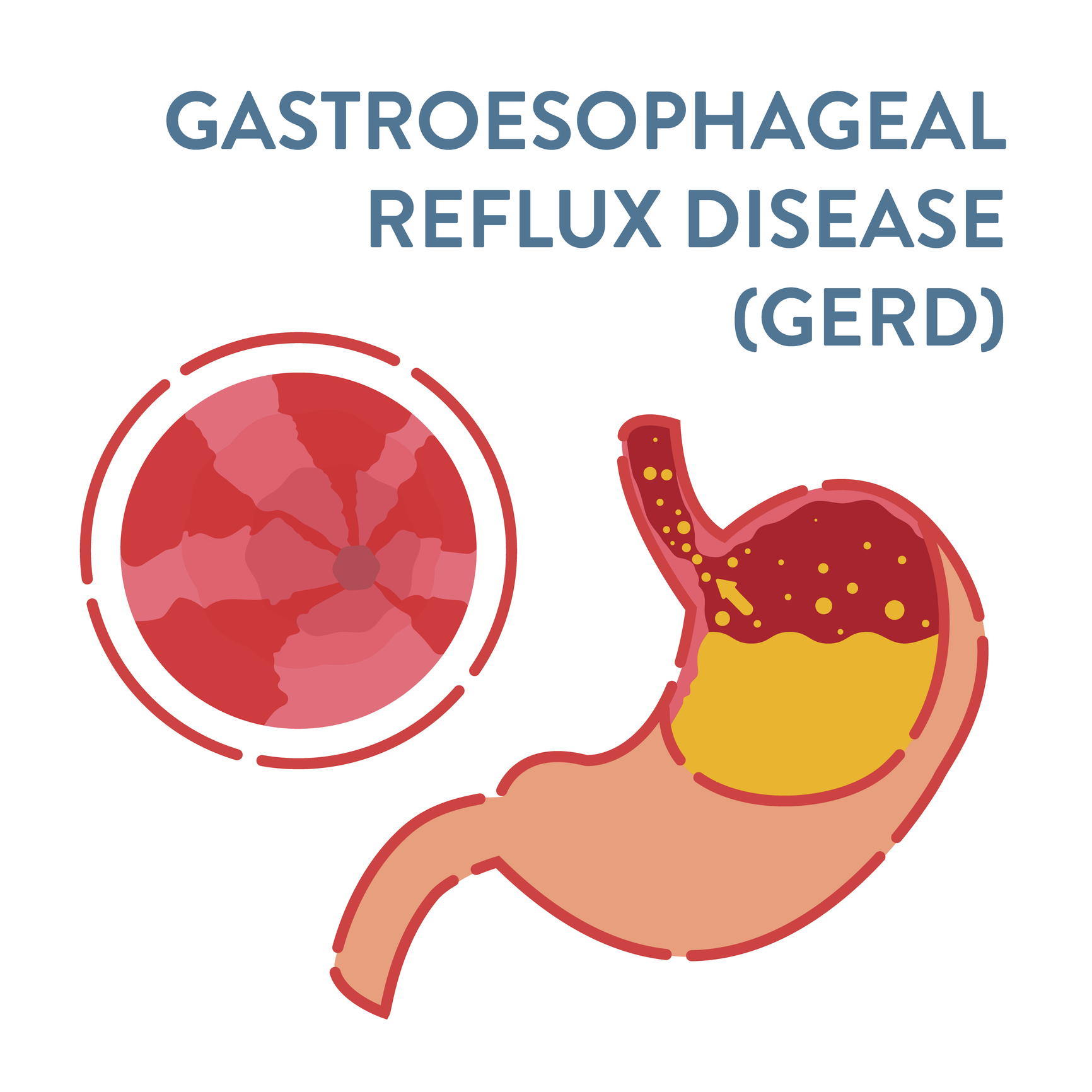
GERD occurs when stomach acid frequently flows back into the esophagus, causing irritation of the esophageal lining. While occasional reflux may happen after certain meals, GERD is typically characterized by symptoms that occur regularly or interfere with daily activities.
Common symptoms include persistent heartburn, regurgitation, chest discomfort, difficulty swallowing, or a chronic cough. Symptoms may vary in intensity and may worsen at night or after meals.
Why Ongoing Acid Reflux Should Be Evaluated
Chronic acid exposure can irritate and damage the lining of the esophagus over time. Without proper management, GERD may contribute to inflammation, narrowing of the esophagus, or changes in the esophageal lining.
In addition to physical discomfort, ongoing reflux can disrupt sleep, limit food choices, and affect overall well-being. Evaluation helps determine the severity of reflux and whether further testing or treatment is appropriate.
Potential Complications of Untreated GERD
When GERD is not properly managed, it may lead to complications such as esophagitis (inflammation of the esophagus), strictures (narrowing), or other structural changes. In some individuals, chronic reflux may increase the risk of more serious esophageal conditions.
Identifying GERD early allows for monitoring and management strategies that help reduce the risk of long-term complications.
How GERD Is Evaluated
Evaluation of chronic acid reflux typically begins with a detailed discussion of symptoms, triggers, and medical history. A gastroenterologist may assess symptom frequency, severity, and response to lifestyle changes or medications.
When indicated, diagnostic testing such as upper endoscopy (EGD) may be recommended to evaluate the esophagus and assess for inflammation or other changes. Testing helps guide appropriate treatment decisions.
Treatment and Management Options
Management of GERD often involves a combination of lifestyle adjustments and medical treatment. Dietary modifications, meal timing changes, and guidance on weight management may help reduce symptoms. Medications may also be recommended to decrease acid production and promote healing.
Treatment plans are individualized based on symptom patterns, severity, and overall digestive health.
When to Seek Gastroenterology Care
Medical evaluation is recommended when acid reflux symptoms occur frequently, persist despite lifestyle changes, or interfere with daily comfort. Symptoms such as difficulty swallowing, persistent chest discomfort, or unexplained weight loss should also prompt evaluation.
At Suburban Gastroenterology, our physicians focus on thorough evaluation and personalized care to help patients manage GERD effectively and support long-term digestive health.
If you are experiencing ongoing acid reflux, Suburban Gastroenterology can help determine whether GERD is present and guide appropriate treatment and monitoring.