
Summary
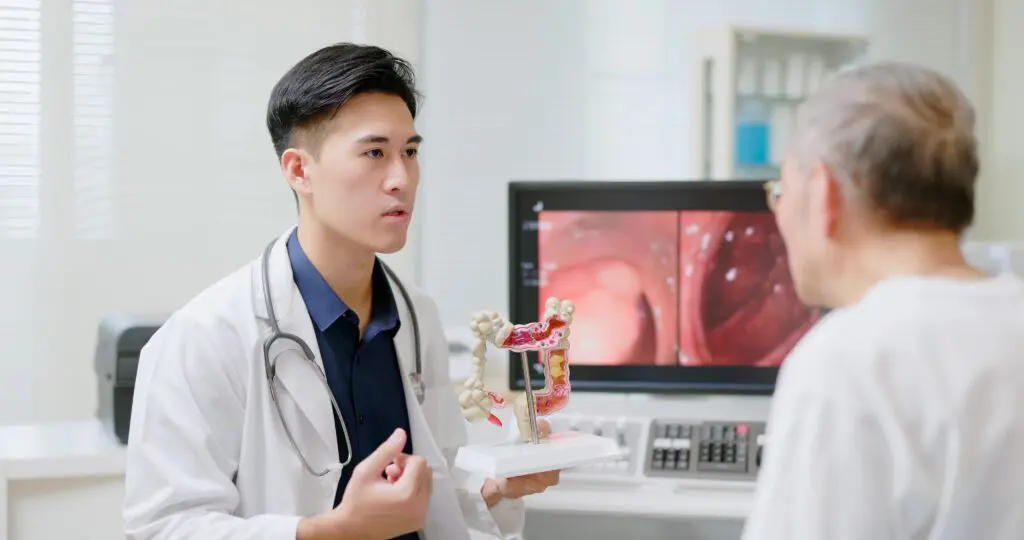
Colonoscopy is one of the most effective tools for preventing colon cancer, yet many people delay screening due to fear and misinformation. This article debunks common myths—such as pain, risk, and the need for symptoms—and highlights the facts about colonoscopy as a safe, preventive procedure. Understanding how colonoscopy works and why it matters can help patients feel more confident in taking a proactive approach to their digestive health.
Table of Contents
- Myth: Colonoscopy Is Only Needed If You Have Symptoms
- Myth: Colonoscopy Is Extremely Painful
- Myth: The Preparation Is Worse Than the Procedure
- Myth: Colonoscopy Is Only About Detecting Cancer
- Myth: Colonoscopy Is Too Risky
- Making an Informed Decision About Screening
- Taking a Proactive Approach to Colon Health
Despite being one of the most effective tools for colon cancer prevention, colonoscopy is often surrounded by misconceptions. Fear, uncertainty, or outdated information can lead some individuals to delay or avoid screening, even when it is recommended.
Understanding the facts about colonoscopy can help patients feel more informed, confident, and prepared when making decisions about preventive care.
Myth: Colonoscopy Is Only Needed If You Have Symptoms
Fact: Colonoscopy is primarily a preventive screening tool.
Many people who benefit from screening feel completely well and have no digestive symptoms. Colon cancer and precancerous polyps often develop silently, which is why screening is recommended even in the absence of symptoms.
Waiting for symptoms to appear can delay detection and reduce the effectiveness of treatment.
Myth: Colonoscopy Is Extremely Painful
Fact: Colonoscopy is generally well tolerated.
The procedure is typically performed with sedation, allowing patients to remain comfortable throughout. Most individuals do not remember the procedure and experience little to no discomfort afterward.
Concerns about pain are common, but advances in technique and sedation have made colonoscopy a safe and manageable experience for most patients.
Myth: The Preparation Is Worse Than the Procedure
Fact: Preparation has improved over time.
While bowel preparation is an important part of the process, newer prep options are designed to be more tolerable than in the past. Clear instructions and support from a care team help patients complete preparation successfully.
For many individuals, preparation is manageable and short-lived, especially when balanced against the benefits of early detection.
Myth: Colonoscopy Is Only About Detecting Cancer
Fact: Colonoscopy can help prevent cancer.
In addition to detecting cancer, colonoscopy allows gastroenterologists to identify and remove polyps before they become cancerous. This makes colonoscopy a powerful preventive tool, not just a diagnostic one.
Screening also helps evaluate other colon health concerns when appropriate.
Myth: Colonoscopy Is Too Risky
Fact: Colonoscopy is considered a safe procedure.
Like any medical procedure, colonoscopy carries some risk, but serious complications are uncommon. For most patients, the benefits of screening far outweigh the risks, particularly when screening is performed according to guidelines.
A gastroenterologist can help patients understand individual risk and address specific concerns.
Making an Informed Decision About Screening
Misinformation should not stand in the way of preventive care. Understanding the facts about colonoscopy helps patients make informed decisions based on evidence rather than fear.
Discussing concerns openly with a gastroenterologist allows patients to receive accurate information, reassurance, and guidance tailored to their health needs.
Taking a Proactive Approach to Colon Health
Colon Cancer Awareness Month is an opportunity to replace myths with facts and prioritize preventive care. Colonoscopy plays a critical role in protecting colon health and supporting early detection.
At Suburban Gastroenterology, our physicians focus on patient education and personalized care, helping individuals feel informed and comfortable throughout the screening process.
If you have concerns or questions about colonoscopy, Suburban Gastroenterology can help address misconceptions and guide you through the next steps toward preventive digestive care.