
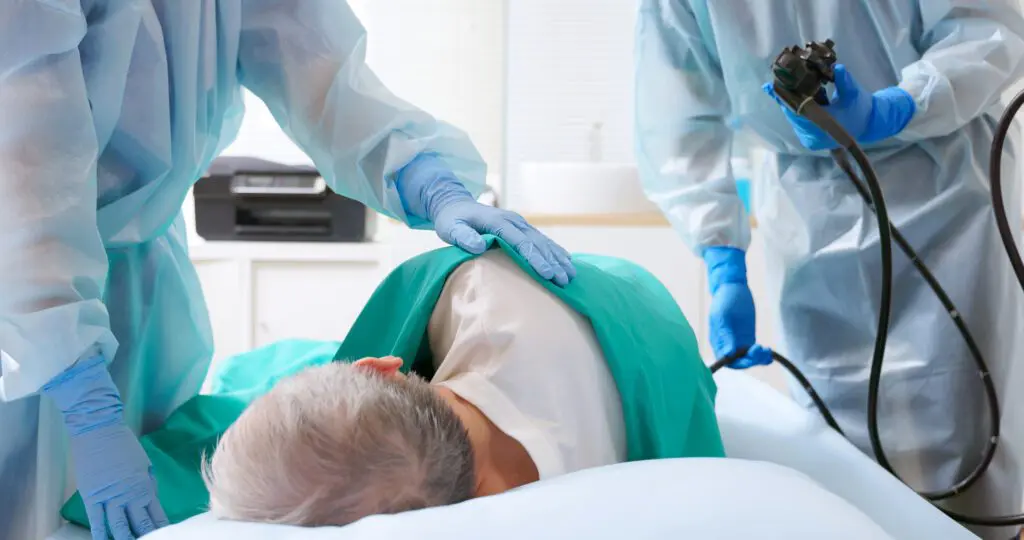
A colonoscopy is one of the most effective tools for evaluating colon health and preventing colorectal cancer. Despite its importance, many patients feel anxious about the procedure, often because they are unsure what to expect. Understanding each step of a colonoscopy can help reduce uncertainty and make the experience more manageable.
At Suburban Gastroenterology, our physicians take a patient-centered approach to colonoscopy, ensuring that individuals feel informed, comfortable, and supported throughout the process.
Why a Colonoscopy Is Performed
A colonoscopy allows a gastroenterologist to examine the lining of the colon and rectum using a thin, flexible instrument with a camera. It is commonly used for routine colorectal cancer screening, evaluation of symptoms such as rectal bleeding or changes in bowel habits, and monitoring conditions like inflammatory bowel disease.
In addition to detecting abnormalities, colonoscopy enables the removal of colon polyps before they can develop into cancer, making it a powerful preventive tool.
Preparing for the Procedure
Preparation is an essential part of a successful colonoscopy. Patients are given detailed instructions prior to the procedure, which typically include dietary modifications and a bowel preparation regimen designed to clean the colon.
Following these instructions carefully allows for clear visualization during the exam and improves the accuracy of results. While preparation may be the most inconvenient part of the process, it plays a critical role in ensuring a thorough and effective evaluation.
What Happens on the Day of the Colonoscopy
On the day of the procedure, patients arrive at the endoscopy center and are greeted by a clinical care team. Before the colonoscopy begins, vital signs are reviewed and sedation is administered to promote comfort. Most patients are sedated and do not experience pain or awareness during the procedure.
Once sedation has taken effect, the gastroenterologist gently advances the colonoscope through the colon, examining the lining for inflammation, polyps, or other abnormalities. If polyps or suspicious areas are identified, they can often be removed or biopsied during the same procedure.
The colonoscopy itself typically takes less than 30 minutes, although the total appointment time may be longer due to preparation and recovery.
Recovery After the Procedure
After the colonoscopy, patients are monitored as the sedation wears off. It is normal to experience mild bloating or gas due to air introduced during the exam, but these symptoms usually resolve quickly.
Because sedation is used, patients will need someone to drive them home and should plan to rest for the remainder of the day. Most individuals are able to return to normal activities the following day.
Understanding the Results
In many cases, preliminary findings are discussed shortly after the procedure. If biopsies were taken or polyps removed, results may take several days to become available. Your gastroenterologist will explain what was found and discuss any next steps, including follow-up care or screening recommendations.
If the colonoscopy is normal, future screening intervals are determined based on age, risk factors, and family history.
Reducing Anxiety Through Education
Feeling nervous before a colonoscopy is common, but understanding the process can help ease concerns. Colonoscopy is a routine, safe procedure that plays a vital role in maintaining digestive and overall health. Advances in sedation and technique have made the experience far more comfortable than many patients expect.
At Suburban Gastroenterology, patient education and clear communication are central to our approach. Our team ensures that patients understand each step of the process and feel supported from preparation through recovery.
Taking a Proactive Approach to Colon Health

A colonoscopy is not just a diagnostic test—it is an opportunity to take a proactive step in protecting long-term health. Whether performed for screening or to evaluate symptoms, colonoscopy provides valuable information that guides care and prevention.
If you have questions about colonoscopy or have been advised to undergo screening, contact Suburban Gastroenterology to learn more about the procedure and schedule an evaluation with our experienced gastroenterology team.